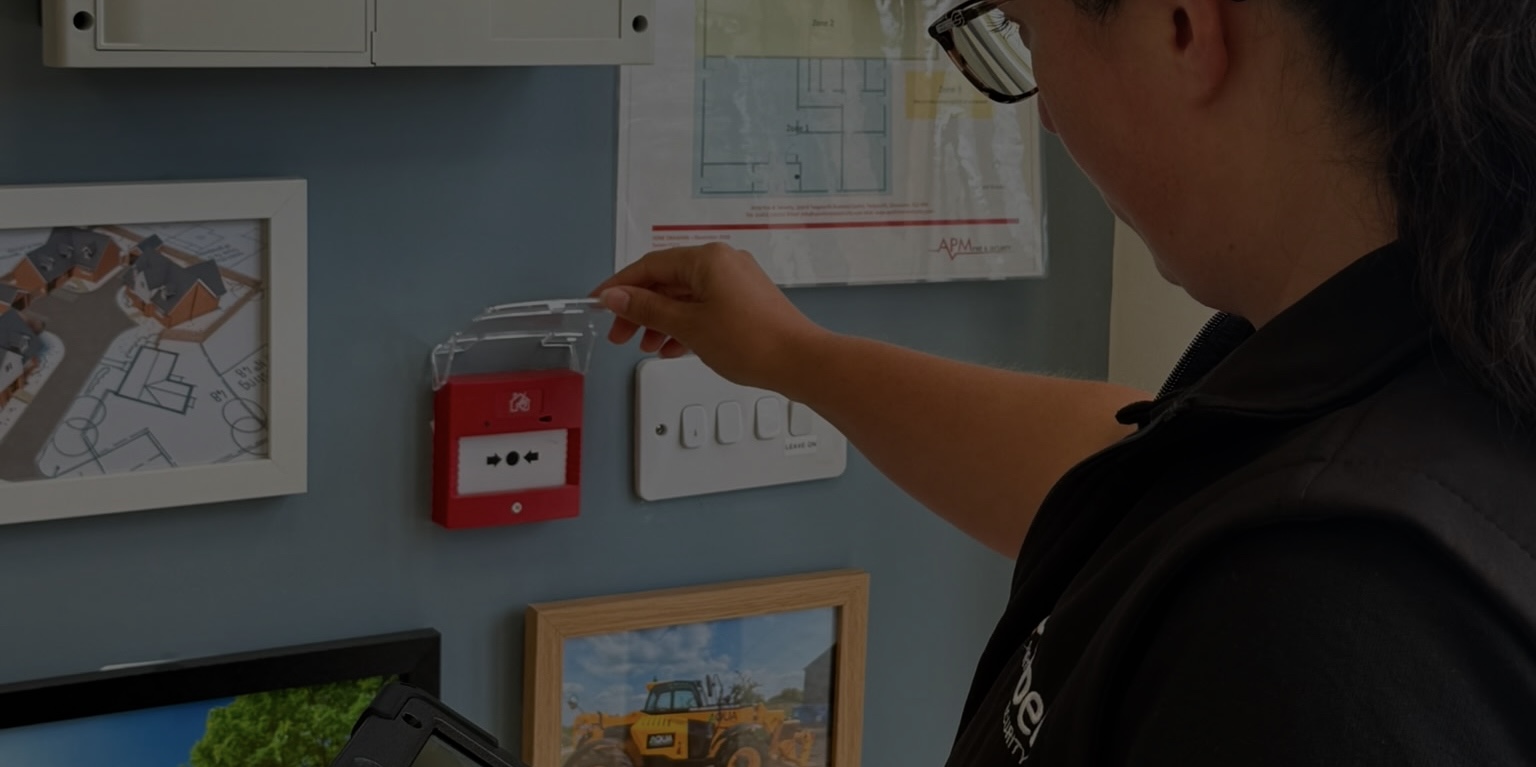
What is a Fire Door Inspection?
A fire door inspection is a detailed check of a fire door and its components to assess whether it is in suitable condition and capable of performing as intended.
Fire doors play an important role in protecting people and buildings by helping to:
- Slow the spread of fire and smoke
- Protect escape routes
- Maintain fire compartmentation
- Give people more time to evacuate safely
A fire door inspection looks at the complete door assembly, not just the door itself.
Why Are Fire Door Inspections Important?
1. Fire Doors Save Lives
Fire doors are designed to resist the spread of fire and, where required, smoke for a specified period of time. However, they can only do this if they are correctly installed, maintained and able to close properly. A damaged or poorly maintained fire door may allow fire and smoke to spread more quickly through a building, placing occupants at greater risk.
2. They Help You Meet Your Legal Responsibilities
Under UK fire safety legislation, those responsible for premises must ensure that fire safety measures are maintained in an efficient state, in efficient working order and in good repair.
Where fire doors form part of the building’s fire safety measures, suitable arrangements should be in place to inspect and maintain them.
Failing to properly manage fire doors can lead to:
- Enforcement action
- Fines or prosecution
- Increased risk to occupants
- Business disruption
- Increased repair and replacement costs
3. Fire Doors Can Deteriorate Over Time
Fire doors are often used every day and can become damaged through normal wear and tear.
Common issues include:
- Doors failing to close fully
- Excessive gaps around the door
- Missing or damaged intumescent strips and smoke seals
- Loose or unsuitable hinges
- Damaged door leaves or frames
- Defective self-closing devices
- Doors being wedged open
- Unauthorised alterations or holes
Even relatively small defects can affect how a fire door performs.
What Does a Fire Door Inspection Cover?
A fire door inspection considers the complete door assembly, including:
- Door leaf
- Frame
- Gaps around the door
- Intumescent strips and smoke seals
- Hinges and fixings
- Self-closing devices
- Latches and locks
- Glazing
- Signage
- Hold-open devices
- Letterplates and other openings
- Damage or alterations
The inspector will also check whether the door closes fully into the frame and whether any defects could affect its ability to perform as intended.
Who Needs Fire Door Inspections?
If you are responsible for a building containing fire doors, you should have suitable arrangements in place to ensure they remain in good condition.
This may include:
- Business owners
- Employers
- Landlords
- Managing agents
- Facilities managers
- Building managers
- Responsible Persons
Fire doors are commonly found in workplaces, residential buildings, public buildings, hospitality and leisure premises.
Common Fire Door Misunderstandings
“The door closes, so it must be fine”
A fire door can close and still have defects involving excessive gaps, seals, hinges, glazing or other components.
“It looks like a fire door”
Appearance alone does not confirm a door’s fire-resisting performance.
“A small amount of damage won’t matter”
Damage or alterations can affect the performance of the complete door assembly.
“Fire doors only need checking once”
Fire doors can deteriorate through everyday use and should be subject to ongoing inspection and maintenance.
How Often Should Fire Doors Be Inspected?
There is no single inspection frequency that applies to every fire door in every type of building.
The appropriate frequency should take into account:
- The type and use of the building
- How often the door is used
- The likelihood of damage
- The people who may be at risk
- The findings of previous inspections
Doors in high-traffic areas may need to be checked more frequently than doors that are rarely used.
Specific legal requirements also apply to certain residential buildings in England. For example, in residential buildings over 11 metres in height, communal fire doors must be checked at least every three months and flat entrance doors at least every 12 months.
Who Should Carry Out a Fire Door Inspection?
Fire door inspections should be undertaken by someone with suitable knowledge and competence.
A competent inspector should understand:
How fire doors are designed to work
• The different components of a fire door assembly
• Common defects and failures
• Relevant fire safety standards and guidance
• The limitations of a visual inspection
Where the required performance, construction or certification of a fire door cannot be confirmed, this should be clearly identified rather than assumed.
What Happens After an Inspection?
Following the inspection, you should receive a clear record of the condition of the doors inspected.
Where defects are identified, the report should explain:
• What the issue is
• Where the affected door is located
• Why the issue requires attention
• What action is recommended
Not every defective fire door automatically needs to be replaced. Depending on the nature of the defect and the evidence available, appropriate repairs may be possible.
Fire Door Inspections and Fire Risk Assessments
A fire risk assessment and a detailed fire door inspection are not the same thing.
A fire risk assessment considers the overall risk to life from fire and will normally consider the role and general condition of fire doors.
A detailed fire door inspection looks more closely at each individual door assembly and its components.
The two services work together to provide a more complete picture of fire safety within a building.
How We Can Help
We provide clear and practical fire door inspections that:
• Assess the condition and operation of fire door assemblies
• Identify defects that could affect performance
• Provide photographic evidence where appropriate
• Give straightforward and actionable recommendations
• Support ongoing inspection, maintenance and fire safety management
Fire door inspections can be undertaken as a standalone service or alongside a wider Fire Risk Assessment.
Get in Touch
If you are unsure whether your fire doors have been inspected, how often they should be checked or whether existing defects require attention, we are happy to help. A fire door is only effective if it can perform as intended when it is needed most.
Mobile: 07501 605071
Office: 01452 855959
Email: carmen@decibelfireandsecurity.com
Don’t wait until a fire door fails — regular inspection and maintenance help ensure it is ready when it matters most.